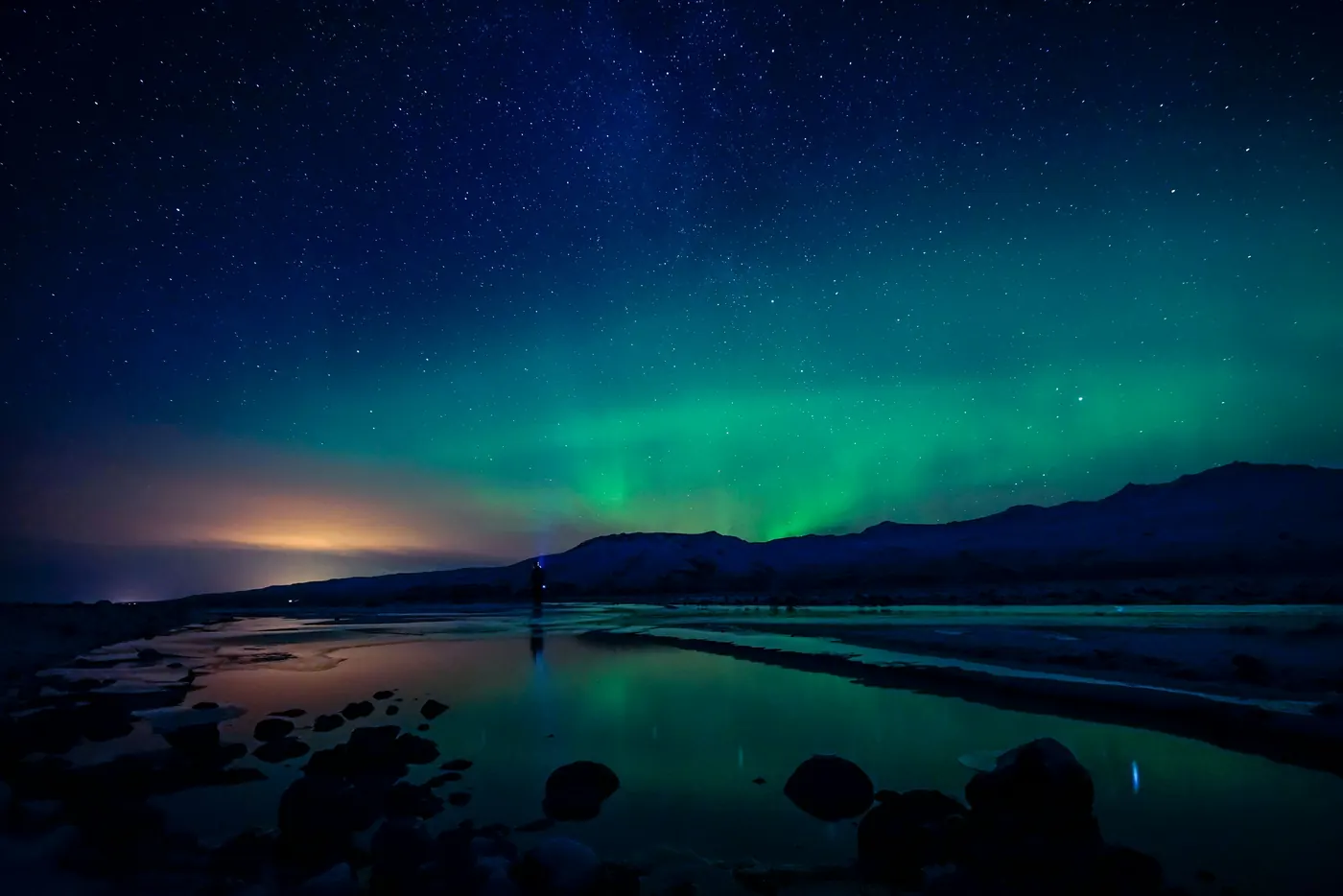
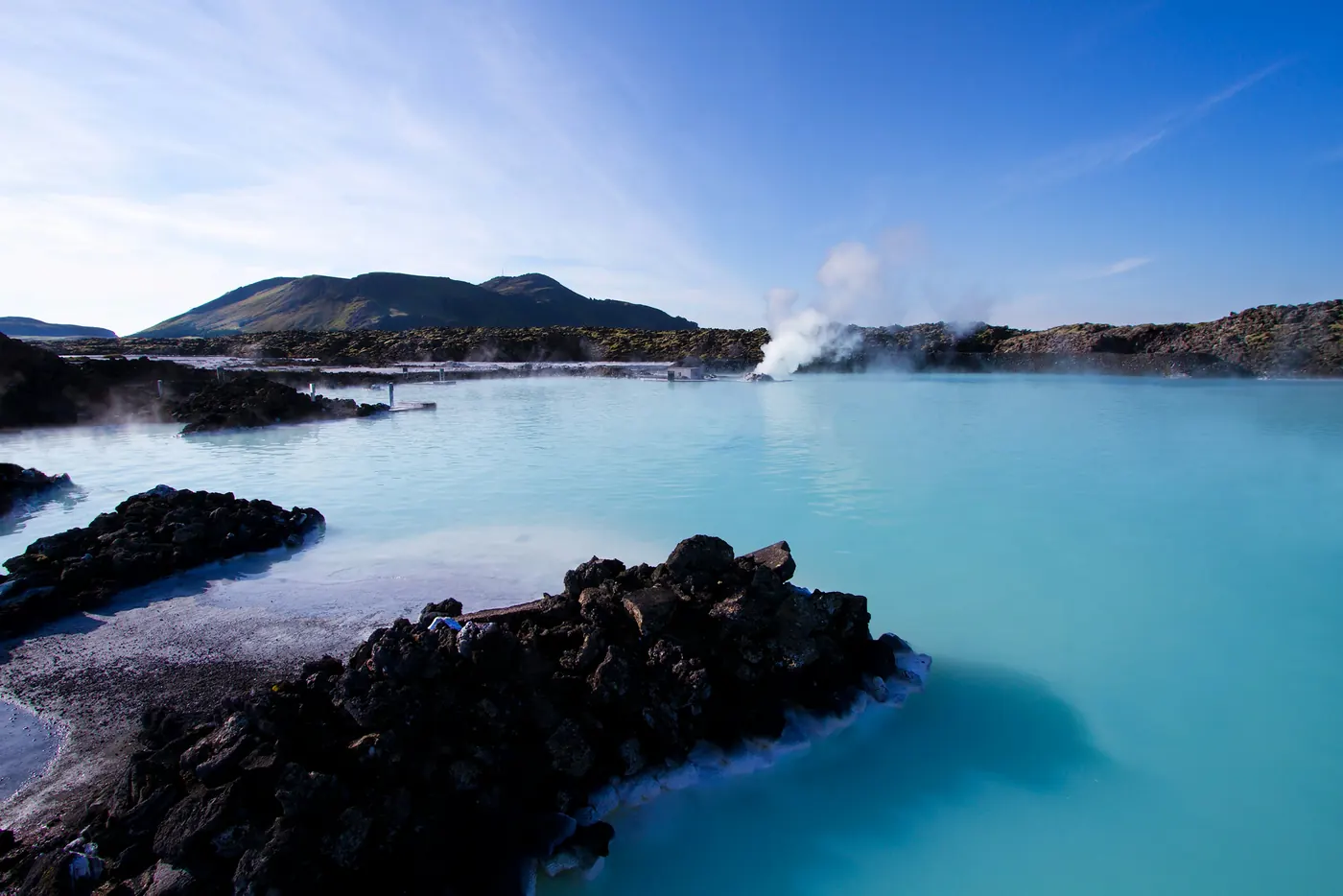
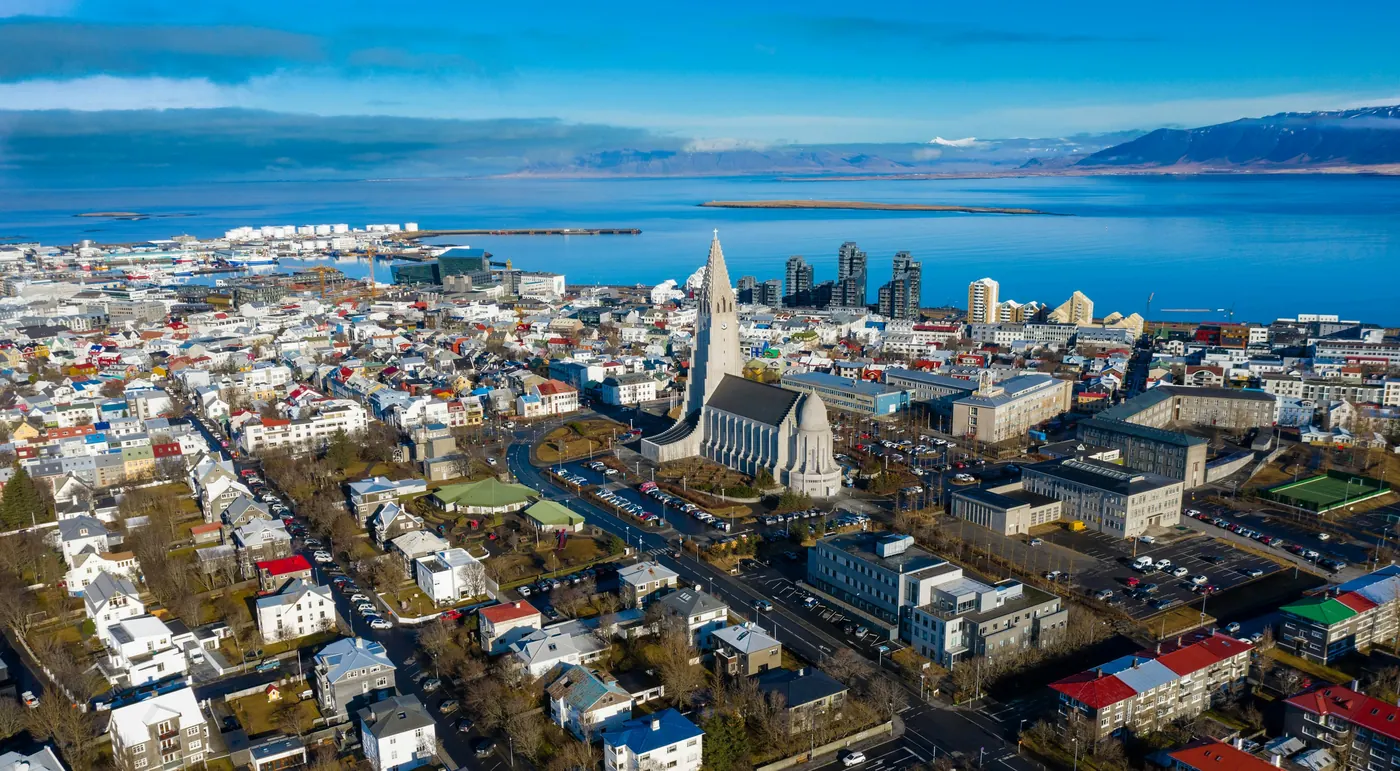
Northern lights in Iceland
When to look, where to go, what to wear and how to take the photo: a practical guide to seeing the aurora from Reykjavík.
By Viklenders Travel ehf., day tour guides in Iceland · Updated 17 October 2026
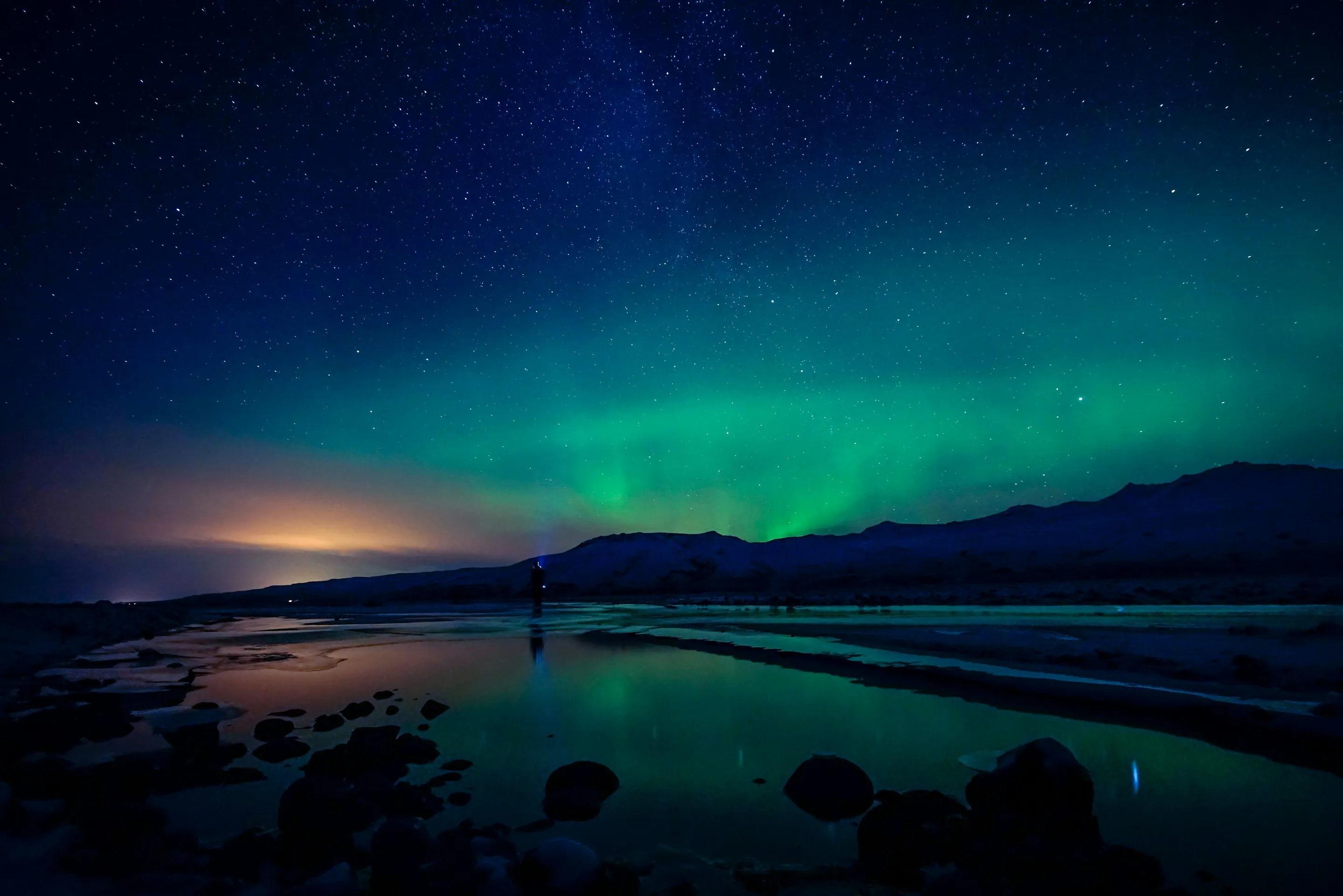
When is the northern lights season?
From September to April. The aurora is there all year, but between May and August Iceland's nights are too bright to see it. Within the season, the long dark nights from October to March give you the most hours of darkness.
On a good night, activity often peaks between about 21:00 and 02:00, but the lights can appear any time it is dark.
What you need to see them
- Activity in the skyMeasured by the Kp index. Even a modest Kp can give a good show in Iceland, which lies under the auroral oval.
- Clear skiesThe most important factor and the hardest to predict. Clouds block everything.
- DarknessAway from city lights. A bright moon makes faint lights harder to see.
- PatienceThe lights come and go. Waiting an hour in the right place often pays off.
How to read the forecast
The Icelandic Meteorological Office publishes an aurora forecast with a cloud-cover map at vedur.is. NOAA's Space Weather Prediction Center publishes the Kp forecast. Look for a gap in the clouds first, then the activity. Our Northern Lights Tour page shows tonight's Kp forecast and sunset time live.
Where to see them near Reykjavík
You can sometimes see strong displays from the city, but you see far more once you leave the street lights behind. Good dark places lie within an hour of Reykjavík in most directions; the best one on a given night is wherever the clouds have broken. That is why guides move: following the gaps in the clouds matters more than any one famous spot.
What to wear
- A thermal base layerWool or synthetic, not cotton.
- A warm mid layerFleece or wool.
- A windproof, waterproof outer layerWind makes the cold feel much stronger.
- Hat, gloves and warm socksHands and feet get cold first when you stand still for a long time.
- Insulated, waterproof bootsWith good grip for icy ground.
How to photograph the northern lights
Cameras often see the aurora more vividly than your eyes do: faint lights can look pale grey to the eye and green in a photo.
- With a phoneUse night mode and hold the phone completely still, or rest it on something solid.
- With a cameraUse a tripod, manual mode, a wide lens at its widest aperture, ISO 800 to 3200, and exposures of 2 to 15 seconds.
- FocusSet focus manually on a distant light or a bright star.
Self-drive or a guided tour?
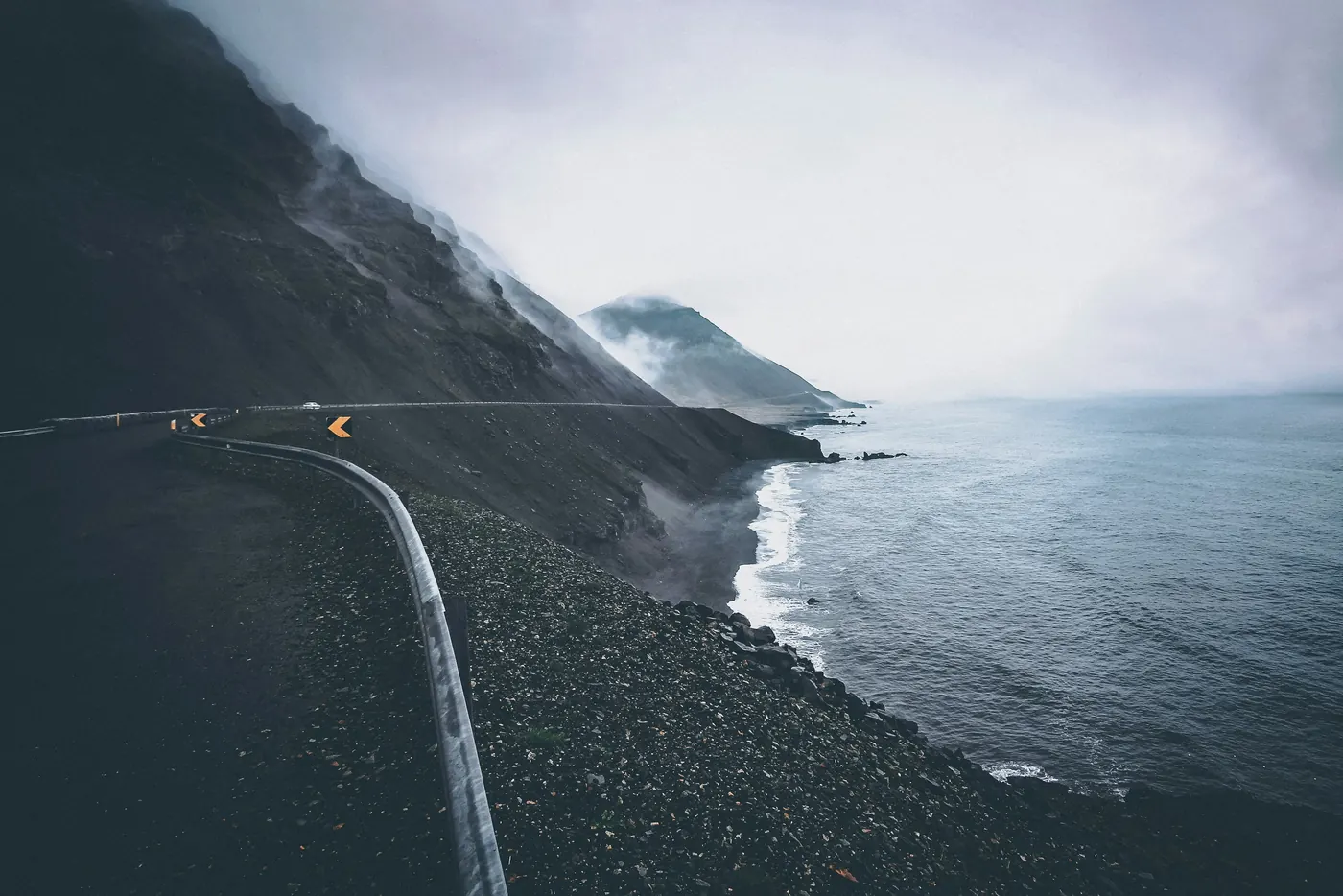
Driving yourself is possible, but it means icy roads in the dark, stopping safely off the road, and reading the forecasts yourself. A guide reads the cloud and aurora forecasts, drives to the clearest sky within reach and knows when to wait and when to move.
The lights are never guaranteed. On our tour, if they do not appear, you can join a second evening free of charge, or we offer a partial refund.
Plan another day.